
January Masonry Inspection Checklist for Chicago Homes & Buildings

January is an ideal time for masonry inspection in Chicago homes, bungalows, condos, and historic buildings because freeze–thaw cycles expose mortar cracks, spalling brick, chimney damage, and moisture intrusion. Early inspections help property owners plan repairs, prevent safety issues, and avoid costly emergency work in spring.
Chicago winters are hard on brick and mortar—especially on older masonry and multi-unit buildings. Snow, ice, and rapid temperature changes force moisture deep into masonry, where it expands as it freezes. A January inspection helps reveal damage early, while conditions make problems easier to see.
Why January Is the Right Time to Inspect Masonry in Chicago
Early winter freeze–thaw cycles often uncover issues that weren’t visible in fall. As snow melts and refreezes, cracks open, mortar loosens, and moisture paths become clear.
January inspections are valuable for:
- Single-family homes and Chicago brick bungalows
- Historic and landmark buildings
- Condos, townhomes, and multi-unit properties
- Property managers and HOA boards planning spring maintenance
Identifying problems now allows for smarter budgeting and scheduling before peak repair season.
Step 1: Inspect Mortar Joints Closely
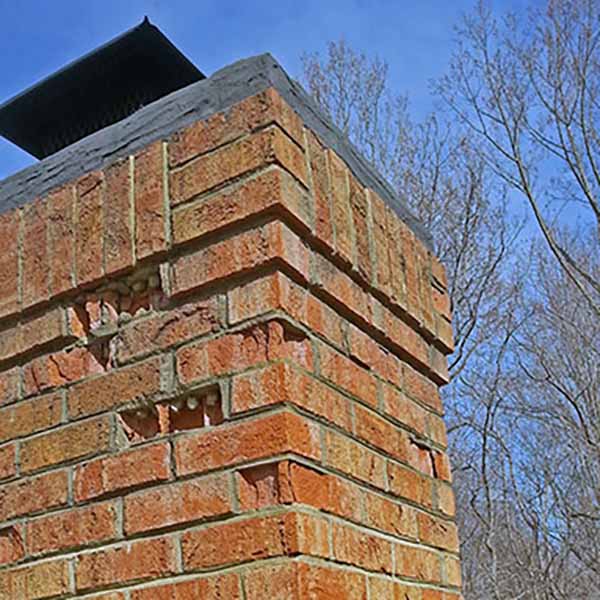
Mortar is designed to fail before brick, which is why it’s often the first place winter damage appears—especially on older buildings.
Look for:
- Crumbling or sandy mortar
- Hairline cracks or open joints
- Mortar missing between bricks
Failing mortar allows water behind the masonry, increasing the risk of brick damage and interior leaks.
Step 2: Check for Cracked or Spalling Bricks
Spalling occurs when moisture inside brick freezes and forces the surface to break apart. This is common on historic brick and parapet walls.
Watch for:
- Brick faces flaking or popping off
- Rough, uneven surfaces
- Brick debris collecting below walls
Spalling is a sign of prolonged moisture exposure and should be addressed promptly.
Step 3: Look for White Staining (Efflorescence)
White, chalky residue on brick—called efflorescence—indicates moisture moving through masonry.
Efflorescence can signal:
- Water infiltration behind walls
- Trapped moisture in older brick systems
- Inadequate drainage or flashing issues
While not always structural, it’s an early warning sign that shouldn’t be ignored.
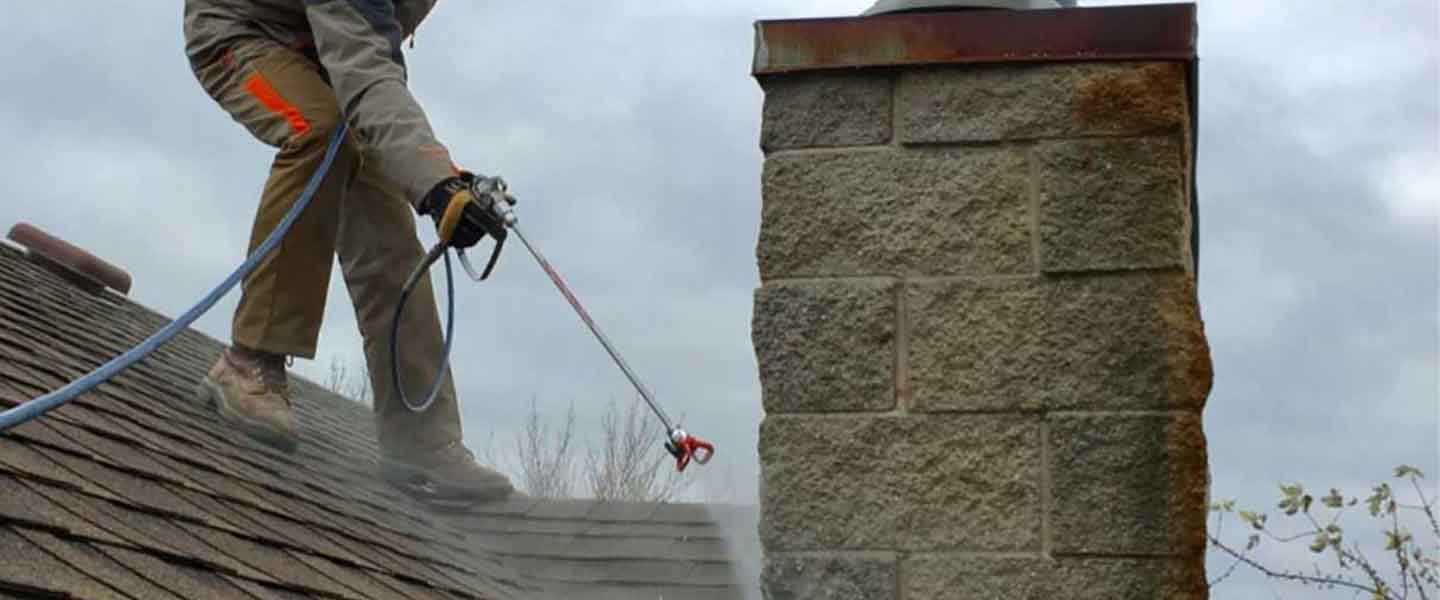
Step 4: Inspect Chimneys After Heavy Winter Use
Fireplaces and heating systems see increased use in December, making January ideal for chimney inspections across homes and multi-unit buildings.
Check for:
- Cracked chimney crowns
- Deteriorated mortar joints
- Leaning or unstable chimney stacks
Chimney masonry issues can create safety hazards if left unaddressed.
Step 5: Examine Lintels, Sills, and Flashing
Steel lintels above windows and doors expand and contract with temperature changes. Over time, this movement can crack surrounding masonry.
Look for:
- Rust stains above windows or doors
- Cracks forming near steel supports
- Gaps around flashing or stone sills
These areas are common moisture entry points during winter thaws.
Step 6: Check Parapet Walls and Roofline Brickwork
Parapet walls and roofline masonry take the full impact of wind, snow, and ice—especially on flat-roof buildings and condos.
Inspect for:
- Loose or missing bricks
- Open mortar joints
- Water staining or signs of pooling
Damage here can quickly lead to interior leaks and structural concerns.
Step 7: Inspect Interior Walls for Hidden Warning Signs
Masonry problems often show up inside before exterior damage becomes obvious.
Watch for:
- Damp spots or water staining
- Peeling paint or bubbling plaster
- Cold drafts near exterior walls
These clues can point to hidden masonry failures behind the brick.
Common January Masonry Questions (People Also Ask)
Is January a good time to inspect historic brick buildings?
Yes. Winter conditions often expose mortar failure and moisture issues common in older masonry systems.
Can masonry repairs be done during winter?
Some repairs can be completed in cold weather using proper methods. January inspections are often used to plan spring repairs efficiently.
Do condos and multi-unit buildings need winter inspections?
Absolutely. Parapet walls, chimneys, and shared masonry elements are especially vulnerable during freeze–thaw cycles.
Why Chicago Property Owners Trust Gralak Tuckpointing
Gralak Tuckpointing brings hands-on experience working with Chicago bungalows, historic masonry, condos, and multi-unit buildings, since 1991. We understand how age, materials, and Chicago’s freeze–thaw climate impact brick structures over time.
Our inspections are thorough, honest, and based on real conditions—not assumptions. We explain what we see, why it matters, and what options make sense for your building, whether that’s minor tuckpointing or long-term masonry planning.
Schedule Your January Masonry Inspection
If your building has been exposed to snow, ice, and temperature swings, January is the time to act. A professional masonry inspection helps identify issues early, prioritize repairs, and avoid emergency situations later in the year.
Contact Gralak Tuckpointing today to schedule a January masonry inspection and get clear, expert guidance for your home, condo, or building.