
Mortar Matters: Choosing the Right Mix for Chicago Bungalow Masonry Restoration
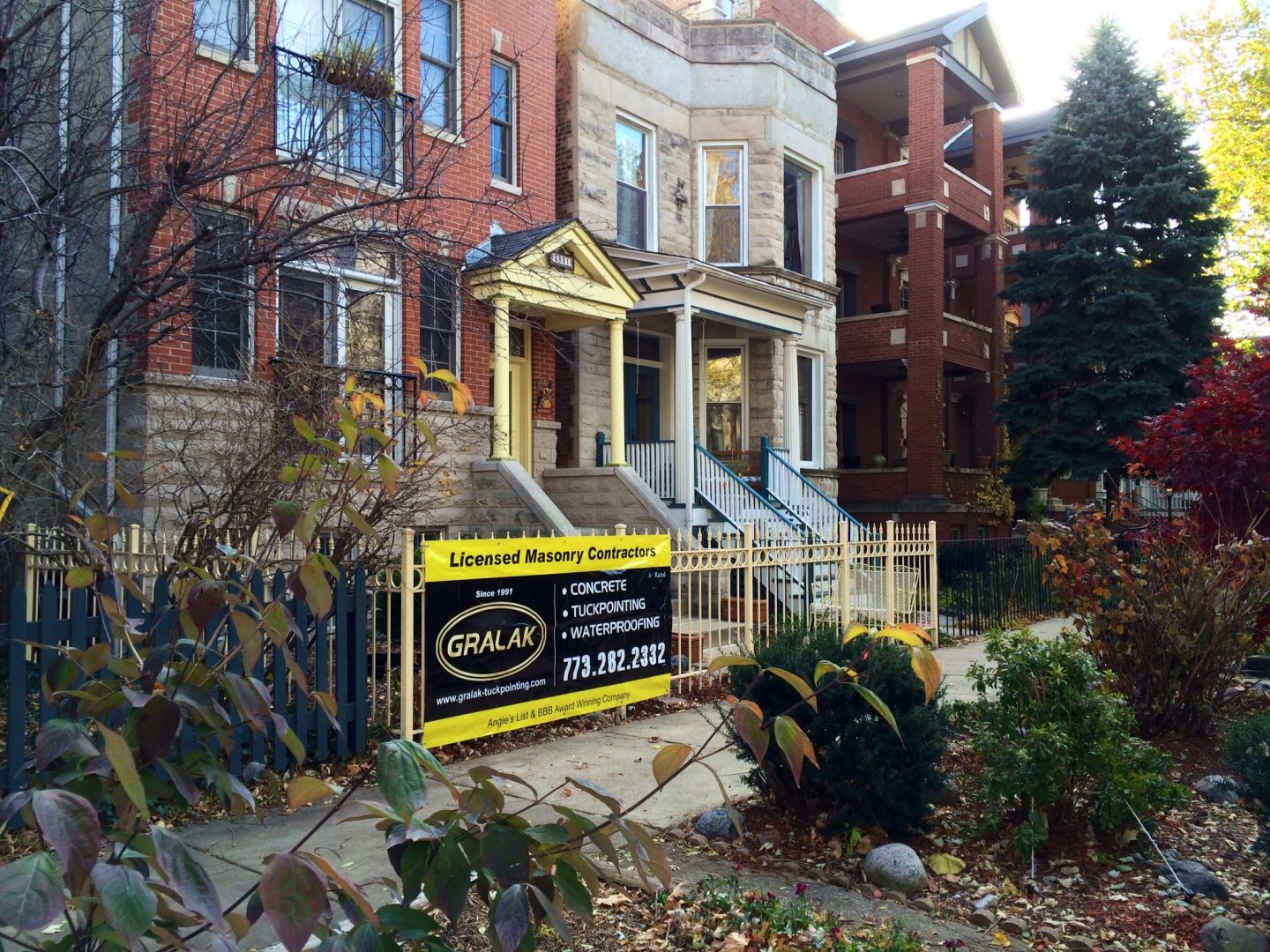
When it comes to preserving the beauty and strength of Chicago’s historic bungalows, few things are more important than using the right mortar. At Gralak Tuckpointing, we’ve specialized in brick restoration and masonry work since 1991, and one lesson stands out: not all mortars are created equal. Using the wrong mix can compromise both the look and the longevity of your brickwork.
If you’re a homeowner, HOA, or property manager tasked with maintaining vintage masonry, understanding mortar types—and when to use them—is essential. Let’s break down the most common problems we see with historic bungalow masonry, the types of mortar that address them, and how proper repairs can extend the life of your property.
Why Mortar Choice Matters in Brick Restoration
Mortar isn’t just “glue” that holds bricks together. It’s a carefully balanced mix of cement, lime, and sand that provides strength, flexibility, and breathability. In older homes—especially the iconic Chicago-style bungalow—matching mortar type and strength to the original construction is critical.
Using a mortar that’s too hard can actually damage vintage bricks, which were often softer and more porous than modern ones. On the other hand, a mortar that’s too soft may fail to provide the necessary support. Striking the right balance ensures both protection and preservation.
The Three Most Common Mortar Types for Restoration
Professional masons typically rely on three types of mortar—O, N, and S—depending on the repair needs. Here’s a closer look:
Type O Mortar (Low Strength – 350 PSI)
- Mix Ratio: 1 part cement, 2 parts lime, 9 parts sand
- Best For: Tuckpointing and non-structural repairs
- Why It’s Used: Type O is the softest mix, ideal for restoring historic brickwork without putting excess stress on the masonry. With its relatively low compressive strength, it allows older, softer bricks to expand and contract naturally without cracking.
- Typical Application: Repointing worn mortar joints, cosmetic touch-ups, and light-duty interior or exterior repairs.
Type N Mortar (Medium Strength – 750 PSI)
- Mix Ratio: 1 part cement, 1 part lime, 6 parts sand
- Best For: General-purpose, above-grade, non-structural masonry jobs
- Why It’s Used: Type N provides a balanced mix of strength and flexibility, making it a go-to choice for many exterior applications. It’s stronger than Type O but not so rigid that it risks damaging vintage brick.
- Typical Application: Exterior walls, chimneys, garden walls, and parapets.
Type S Mortar (High Strength – 1,800 PSI)
- Mix Ratio: 1 part cement, ½ part lime, 4½ parts sand
- Best For: Structural masonry work
- Why It’s Used: With its high strength and durability, Type S is designed for load-bearing projects and harsh weather conditions. However, it’s rarely used in historic bungalow restoration unless the repair is structural.
- Typical Application: Foundations, retaining walls, and heavy-duty masonry exposed to soil and moisture.
Common Problems with Vintage Bungalow Masonry
Over decades, Chicago’s climate takes its toll on brick and mortar. Here are the most frequent issues we encounter:
- Cracked or crumbling mortar joints – Usually caused by weather cycles and normal wear.
- Spalling bricks – Bricks flake or break apart, often due to hard mortar being used in past repairs.
- Water infiltration – Damaged mortar allows moisture to seep in, leading to leaks, mold, or freeze-thaw damage.
- Settling and shifting – Foundation movement can cause cracks that require careful assessment and repair.
The key to solving these issues is not just replacing the mortar, but selecting the correct mortar type for the job.
Chicago Bungalow Maintenance: Why Expertise Matters
Maintaining a historic bungalow isn’t just about fixing what’s broken—it’s about preserving architectural heritage. That’s why choosing a contractor with deep knowledge of mortar types, brick quality, and local building traditions is essential.
At Gralak Tuckpointing, we:
- Conduct thorough mortar analysis before recommending repairs
- Match new mortar color and texture for a seamless look
- Use Type O, N, or S only where appropriate, based on structural needs
- Provide tuckpointing, sealing, and waterproofing services tailored to Chicago’s weather challenges
👉 For additional homeowner resources, the Chicago Bungalow Association is a fantastic nonprofit organization that equips homeowners with energy efficiency programs and educational tools to maintain, preserve, and adapt their bungalows and vintage homes—helping strengthen the neighborhoods they anchor.
With the wrong mortar, you could risk damaging irreplaceable vintage bricks. With the right approach, your bungalow can stay beautiful and sound for generations.
Frequently Asked Questions About Mortar and Masonry
Q: Why can’t I just use the strongest mortar available?
A: Stronger isn’t always better. Hard mortars like Type S can damage softer vintage bricks, leading to cracking and spalling.
Q: How often should tuckpointing be done on a bungalow?
A: Depending on weather exposure and brick condition, most homes need tuckpointing every 20–30 years. Regular inspections can help catch problems early.
Q: Can mortar color be matched to my existing brickwork?
A: Yes. Skilled masons can blend sand, cement, and lime to closely match the original mortar color and finish.
Q: What’s the difference between tuckpointing and repointing?
A: Both involve replacing mortar joints, but tuckpointing often includes an additional fine line of contrasting mortar for decorative effect.
Key Takeaways
- Mortar type is critical in bungalow brick restoration—using the wrong mix can cause long-term damage.
- Type O (350 PSI) is best for tuckpointing and softer historic bricks.
- Type N (750 PSI) is a versatile choice for non-structural exterior repairs.
- Type S (1,800 PSI) is reserved for structural masonry and heavy loads.
- Regular maintenance, inspections, and choosing experienced masons help protect the integrity of Chicago’s historic homes.
Protect Your Bungalow with Expert Masonry Services
Since 1991, Gralak Tuckpointing has been trusted by homeowners, HOAs, and businesses across Chicagoland to restore and preserve their masonry. Whether it’s a simple tuckpointing project or a full brick restoration, we bring craftsmanship, experience, and attention to detail to every job.
👉 Contact us today or call 773.282.2332 to schedule a free consultation and protect your property with the right mortar, the right method, and the right team.