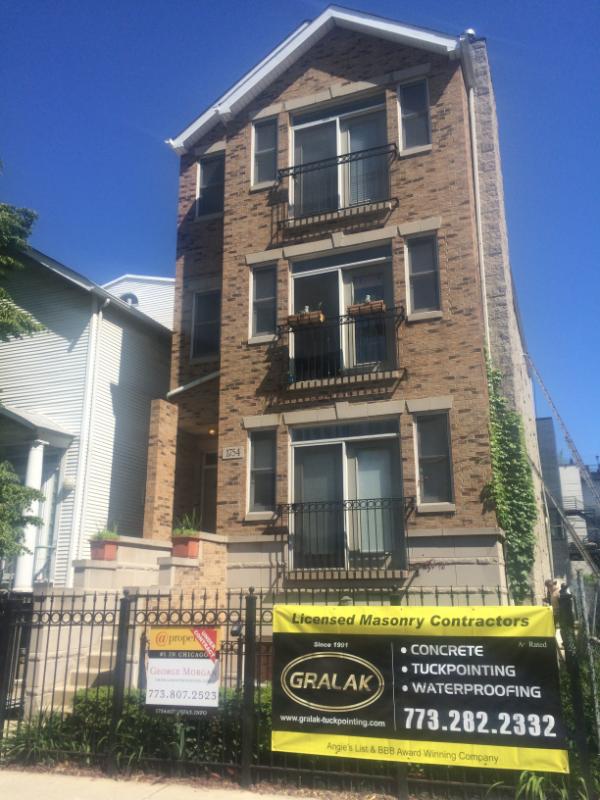

Protecting Chicago Homes from Water Damage: Essential Parapet Wall Waterproofing
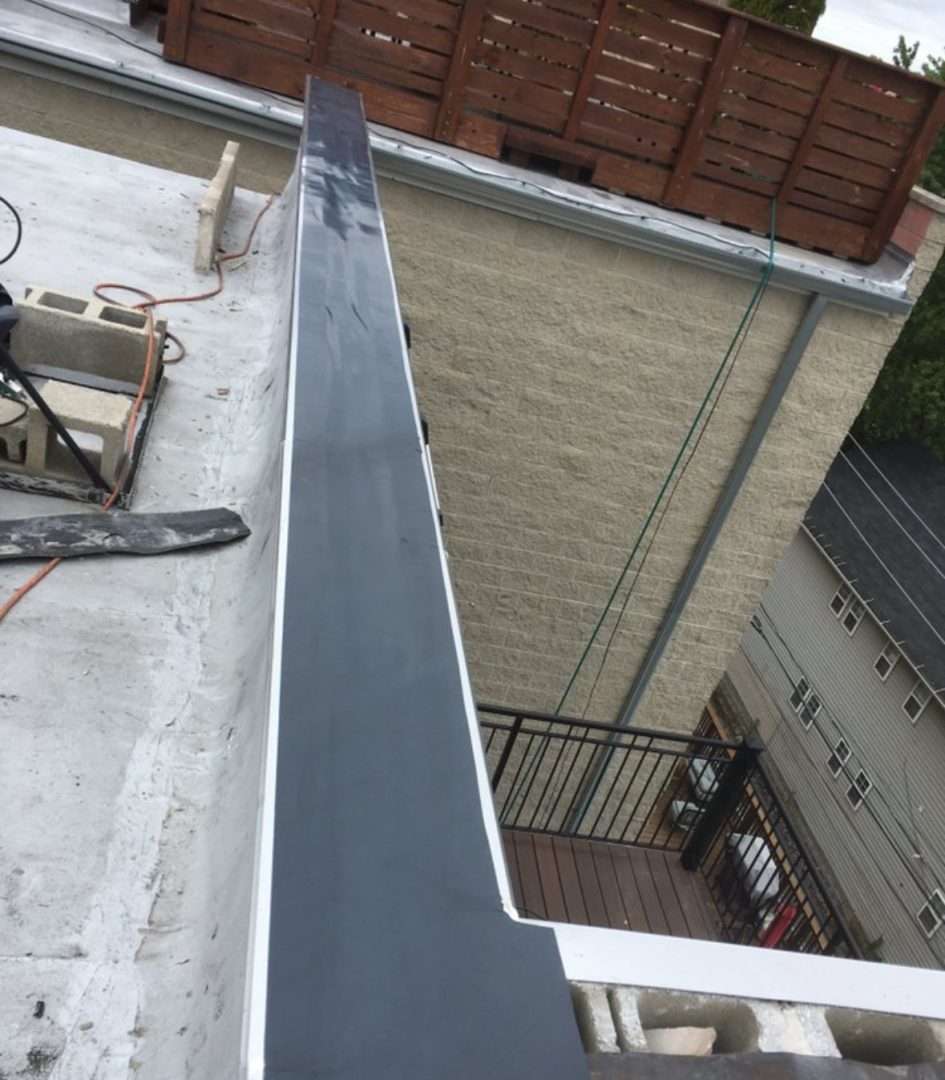
Chicago’s weather can be brutal with heavy rains, snow, and freeze-thaw cycles that take a toll on masonry. One of the most vulnerable areas of any building is the top of the parapet wall, where water often finds its way in. Without proper waterproofing or parapet wall flashing, that moisture can cause serious problems inside your home or building, including mold, weakened walls, and structural deterioration.
That’s where self-bonding elastomeric flashing systems come in. This type of elastomeric flashing creates a durable, watertight seal that protects parapet walls from leaks and extends the lifespan of your structure.
What Is Parapet Wall Flashing?
A parapet wall is the low wall that extends above the roofline. It’s often seen around flat roofs on homes, condos, and apartment buildings. While parapet walls add a finished look and can serve as a safety barrier, they are also one of the most common entry points for water.
Flashing is a waterproof barrier installed beneath the capstones (the top stones or synthetic stones that cover the parapet). Its job is simple but critical: keep water out.
Why the Material Matters: Self-Bonding Elastomeric Flashing
Not all flashing systems are created equal. Traditional materials can wear out or separate over time, especially in harsh climates like Chicago’s.
A self-bonding elastomeric flashing system offers superior performance. Here’s why it’s so effective:
- Flexible and durable: The rubberized material stretches and moves with temperature changes, preventing cracks and leaks.
- Self-sealing: It bonds tightly to the surface, creating a continuous barrier against moisture.
- Compatible with synthetic stones: Many parapet capstones today are made from silica-based materials, which are highly porous. The elastomeric flashing acts as a reliable shield against their natural tendency to absorb water.
- Includes stainless steel drip edges: These dual-sided edges direct water away from the wall face.
- Built-in cotton weep ropes: They allow any trapped water to drain out safely instead of seeping into the masonry.
Together, these features form a complete waterproofing system — not just a patch or short-term fix.
The Hidden Dangers of Skipping Flashing
Without proper flashing beneath parapet wall capstones, water finds its way inside the wall system. Over time, this leads to:
- Interior leaks that stain ceilings and walls
- Mold and mildew growth, which can cause respiratory issues and odors
- Deteriorating masonry from trapped moisture and freeze-thaw cycles
- Rusting wall ties and structural damage
- Higher repair costs down the road
Many homeowners only discover the issue once the damage is already done. Preventing water intrusion from the start is far more cost-effective — and protects your investment long-term.
Why It’s Especially Important in Chicago
In Chicago, our buildings face some of the toughest weather conditions in the country. Between the lake-effect snow, freezing temperatures, and spring rains, your masonry is constantly expanding, contracting, and absorbing moisture.
The freeze-thaw cycle is especially destructive. When water seeps into cracks and freezes, it expands and breaks apart mortar joints and stone surfaces from the inside out. Installing a high-quality flashing system prevents that moisture from entering in the first place, giving your walls a much longer life span and keeping your home dry and healthy year-round.
The Gralak Tuckpointing Approach
At Gralak Tuckpointing, we specialize in waterproofing solutions designed for Chicago’s climate. Our team installs self-bonding elastomeric flashing systems under parapet capstones to create a watertight seal that stands the test of time.
We also ensure proper installation of:
- Dual-sided stainless steel drip edges
- Cotton weep ropes for drainage
- Sealants and mortar joints designed for maximum adhesion
Each step is performed with precision — because even the smallest gap can let water in. Our goal is to deliver a clean, dry, and durable wall system that protects your home from top to bottom.
Frequently Asked Questions (FAQ)
Q: How can I tell if my parapet walls are leaking?
Look for water stains near the ceiling line, bubbling paint, or dampness along the interior walls. You might also notice efflorescence — a white, powdery residue on the masonry surface.
Q: Do all buildings need parapet wall flashing?
If your building has parapet walls with capstones (especially synthetic or silica-based ones), flashing is highly recommended. It’s a small addition that prevents big problems later.
Q: Can flashing be added after construction?
Yes! Retrofitting is possible. Our team can carefully remove existing capstones, install flashing, and reset them with proper waterproofing.
Q: How long does elastomeric flashing last?
When installed correctly, elastomeric flashing can last decades — far longer than standard materials — especially with proper maintenance.
Q: Will this system stop mold growth inside my walls?
Yes. By preventing water intrusion, it eliminates the moisture that mold and bacteria need to grow.
Keep Your Home Dry and Protected
Your home or building deserves protection from Chicago’s toughest weather. A self-bonding elastomeric flashing system is one of the most effective ways to stop water intrusion at the source — the parapet wall capstones.
If you’ve noticed interior dampness, cracked mortar, or water stains, don’t wait for more serious damage to develop. Contact Gralak Tuckpointing today for a professional inspection and expert flashing installation. We’ll help keep your property safe, dry, and structurally sound for years to come.