
How to Winterize Your Chicago Brick and Masonry
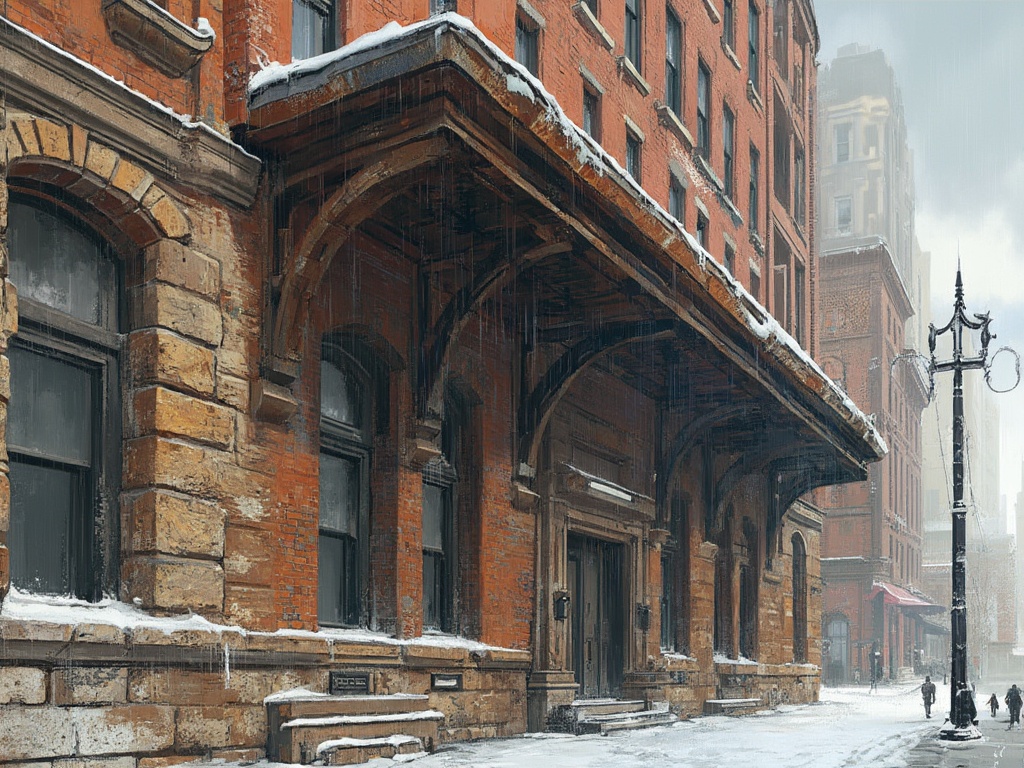
Chicago winters are tough on people—and brutal on brick. When temperatures jump above and below freezing, moisture inside your masonry expands and contracts over and over. That freeze–thaw cycle puts stress on bricks, stone, and mortar joints and can lead to cracking, flaking, and leaks.
The good news: a little preparation in fall and early winter can dramatically reduce damage and extend the life of your brickwork. This guide walks you through how to winterize Chicago brick and masonry with practical steps, a quick checklist, and clear advice on when to call a pro like Gralak Tuckpointing.
Why Chicago Brick and Masonry Need Winter Protection
The freeze–thaw cycle in plain English
Brick, stone, and mortar are porous. They soak up water from rain, snow, and melting ice. When that trapped water freezes, it expands. As it thaws and refreezes, it acts like a tiny wedge inside the masonry, slowly pushing it apart.
In a Chicago winter, temperatures often hover around freezing, so your masonry can go through this cycle many times in a single week. Over time, this repeated stress leads to:
- Cracked bricks and mortar joints
- Flaking or popping surfaces (spalling)
- Loose or shifting bricks
- Leaks into the interior of your home
Common signs of winter damage
Whether you live in a Chicago bungalow, greystone, two-flat, or newer construction, keep an eye out for:
- Cracks in brick, block, or mortar joints
- Spalling – brick faces flaking or popping off
- Efflorescence – white, powdery deposits on the surface
- Damp spots or leaks around windows, doors, and interior walls
- Loose or leaning bricks, especially on chimneys and parapet walls
These issues usually get worse each winter if they’re not addressed.
Step 1: Do a Quick Masonry Inspection Before It Freezes
You don’t need special tools to spot many masonry problems. Pick a dry day with good light and walk slowly around your home.
Pay special attention to:
- Brick and stone walls, especially on the weather-facing sides
- Chimneys and parapet walls above the roofline
- Front and back steps, porches, and retaining walls
- Foundation walls and areas where the yard slopes toward the house
Look for:
- Hairline or larger cracks in bricks or mortar
- Mortar that looks recessed, powdery, or missing
- Bricks that appear loose, shifted, or bulged
- Flaking, crumbling, or pitted surfaces
- Gaps at windows, doors, and where siding meets masonry
Take photos of anything suspicious. This makes it easier to get a professional opinion and track changes over time.
Step 2: Repair Cracks and Weak Mortar Joints (Tuckpointing)
Open joints and cracks are invitations for water to enter your walls. Once water is inside, winter only makes the problem worse.
Tuckpointing (also called repointing) involves:
- Removing deteriorated or loose mortar from the joints
- Cleaning the joints to remove dust and debris
- Filling them with fresh, compatible mortar
- Tooling the joints for a tight, weather-resistant finish
Done correctly, tuckpointing:
- Seals out water and wind
- Restores strength and stability
- Preserves the look of your brickwork
- Extends the life of older Chicago masonry buildings
Because mortar composition and color matching matter—especially with classic Chicago brick—tuckpointing is usually not a DIY job. An experienced masonry contractor like Gralak will use the right tools, mortar mix, and techniques to protect your home without damaging historic materials.
Step 3: Control Water Around Your Chicago Home
Water management is one of the most effective ways to protect your masonry.
Gutters and downspouts
Make sure:
- Gutters are clean and draining properly
- Downspouts extend several feet away from the foundation
- There are no leaks where gutters meet brick or stone
If water regularly pours down your walls or pools at the base of your home, it will soak into your foundation and lower brick courses, making freeze–thaw damage much more likely.
Grading and snow placement
- Check that the ground slopes away from your home, not toward it.
- Avoid piling snow directly against brick or block walls.
- Keep the base of chimneys, porches, and steps as clear and dry as possible.
These simple habits help keep excess moisture away from your masonry.
Step 4: Use the Right Masonry Waterproofing Products
Many homeowners hear “seal your brick” and reach for thick coatings or generic waterproofing paints. Those products can actually trap moisture in the wall and make freeze–thaw damage worse.
For exterior brick and stone, professionals typically recommend breathable, vapor-permeable sealers (often silane or siloxane based). These products:
- Reduce how much water brick and stone absorb
- Allow trapped moisture to escape as vapor
- Help limit spalling, efflorescence, and cracking over time
A few key points:
- Only apply sealers to sound, dry, and clean masonry.
- Do not use film-forming coatings that create a hard “shell” on the surface.
- Always test on a small, hidden area first.
Because each building and brick type is different, it’s smart to have a masonry expert evaluate whether and where waterproofing makes sense before you seal.
Step 5: Protect High-Risk Areas: Chimneys, Steps, and Porches
Some parts of your home take more winter abuse than others.
Chimneys and parapet walls
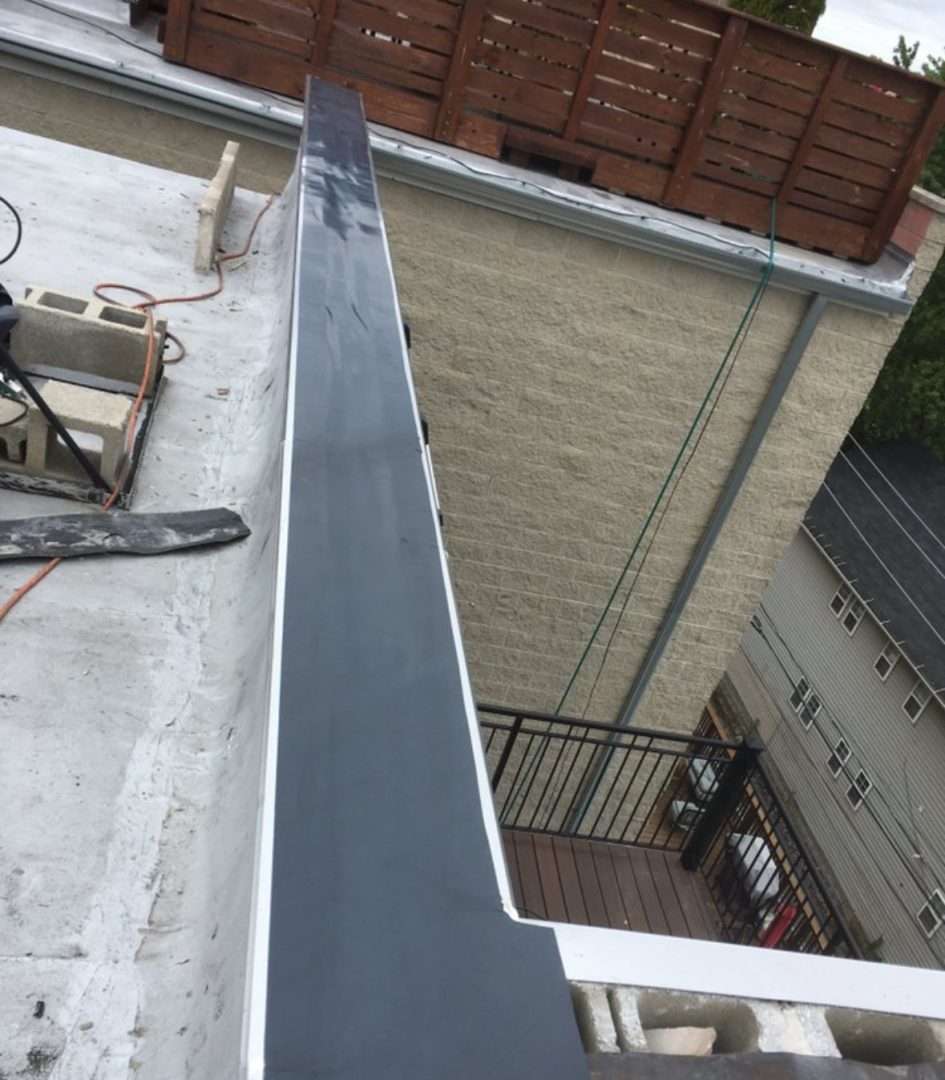
Chimneys and parapet walls sit above the roofline, fully exposed to rain, snow, and wind. They are especially vulnerable to:
- Cracked or deteriorated crowns
- Loose, spalling, or missing bricks
- Failing mortar joints
- Leaks where the chimney meets the roof (flashing)
A healthy chimney should have:
- A solid, crack-free crown
- A properly sized and secure chimney cap
- Tight, rust-free flashing where it meets the roof
If you see cracks, missing bricks, rusted caps, or water stains near your fireplace, it’s time for a professional chimney and masonry inspection.
Steps, walkways, and porches
Horizontal masonry surfaces collect water, snow, and de-icing chemicals. Over time, this can cause:
- Surface scaling and pitting
- Cracks and loose treads or risers
- Heaving or uneven steps that become trip hazards
Ahead of winter, repair loose or cracked masonry, improve drainage, and be cautious with heavy salt use directly on brick or concrete. Consider using more masonry-friendly de-icers where possible.
What You Can Do Yourself vs. When to Call a Pro
Good DIY tasks for homeowners
Most Chicago homeowners can safely:
- Perform seasonal visual inspections
- Clean gutters and extend downspouts
- Gently brush off light efflorescence
- Manage where snow is piled around the house
- Re-caulk small gaps around windows and doors (non-masonry joints)
These small steps can greatly reduce water exposure and help you catch problems early.
When you really need a Chicago masonry specialist
Call a masonry professional like Gralak Tuckpointing if you notice:
- Wide or stair-step cracks in brick or block
- Bricks that are bulging, bowing, or shifting
- Widespread spalling or crumbling surfaces
- Leaks at chimneys, parapet walls, or interior walls after snow or rain
- Large areas of missing, deeply recessed, or crumbling mortar
Pros have the right tools, materials, and cold-weather techniques to make repairs that last—without causing new issues.
Quick Winter Masonry Checklist for Chicago Homeowners
Use this as a simple, save-able checklist each fall:
- Inspect exterior brick and stone walls for cracks and spalling
- Check chimneys and parapet walls for loose or missing bricks
- Look over steps, porches, and retaining walls for damage or trip hazards
- Clean gutters and confirm downspouts discharge away from the foundation
- Avoid piling snow directly against brick or block walls
- Address open mortar joints and cracks with professional tuckpointing
- Ask a masonry pro if a breathable sealer is appropriate for your brick
- Schedule a masonry inspection every 3–5 years, or sooner for older homes
Winter Masonry FAQs for Chicago Homeowners
What happens if I ignore small brick cracks over the winter?
Even small cracks can let in water. Each freeze–thaw cycle widens them, often turning hairline cracks into noticeable damage by spring. Over time, that can lead to spalling, loose bricks, and more extensive—and expensive—structural repairs.
Is winter a bad time to do masonry work in Chicago?
Some projects are easier in mild weather, but urgent repairs don’t always wait for spring. With the right materials and temporary protection, professionals can safely perform many masonry repairs through the winter, especially when there are active leaks or falling masonry.
Is waterproofing my brick worth it in this climate?
When applied to sound, clean masonry, a breathable silane or siloxane sealer can be very helpful in Chicago’s wet, freeze–thaw climate. It will not fix existing damage, but it can reduce water absorption and help slow future deterioration as part of a broader maintenance plan.
How often should I have my masonry inspected?
Most homes in the Chicago area benefit from a professional masonry inspection every 3–5 years. Older brick buildings, historic properties, and structures in very exposed locations may need more frequent checkups, especially if you’ve noticed cracking or leaks.
How do I know if my chimney needs repair before winter?
Warning signs include loose or missing bricks, a cracked or crumbling crown, rusted or missing chimney caps, masonry debris on the roof, or water stains around the fireplace or flue. If you see any of these, schedule a chimney and masonry inspection before heavy snow and deep cold set in.
Protect Your Chicago Brick with Gralak Tuckpointing
Your brick and masonry are some of the most durable parts of your home—but Chicago winters will find every weakness if you give them time. A short fall checklist and a few well-timed repairs can save you from bigger problems and bigger bills in the spring.
With decades of hands-on experience restoring Chicago brick homes, greystones, and commercial buildings, Gralak Tuckpointing has seen exactly what repeated winters can do to unprotected masonry—and how to stop the damage before it gets worse.
Ready to winterize your masonry?
Schedule a fall masonry inspection with Gralak Tuckpointing. We’ll identify freeze–thaw risks, explain your options clearly, recommend only the repairs you truly need, and help you protect your Chicago brick for many winters to come.