
Summer Storms and Masonry Leaks: Why Chicago Brick Buildings Need More Than Surface Repairs

Summer storms can expose masonry leaks and problems in Chicago brick buildings because wind-driven rain pushes water into small openings that may not leak during lighter weather. Common entry points include open mortar joints, cracked brick, chimney masonry, parapet walls, lintel areas, window openings, failed caulking, and roofline transitions.
A lasting repair starts with finding where the water is getting in. In many cases, the building needs masonry repair first, then sealing or waterproofing where appropriate. Caulk, paint, or surface sealers alone may hide the symptom without correcting the source.
Why Summer Storms Reveal Masonry Problems
June is a natural time for masonry leak problems to show up in Chicago. The National Weather Service Chicago lists June as one of the area’s wetter months, with normal precipitation over 4 inches, and June and July are among the most active months for severe weather in the local forecast area.
That matters for brick buildings because summer storms do not just bring rain. They can bring heavy downpours, strong winds, heat, humidity, and fast temperature changes. Wind-driven rain can hit brick walls from the side, push against chimney masonry, soak parapet walls, and test every weak point around windows, rooflines, coping, flashing, and mortar joints.
A building may look fine after a light rain but show stains, dampness, or leaks after a hard storm. That does not mean the problem appeared overnight. It usually means the storm exposed an opening that had already started to develop.
The Stain Is Not Always Where the Leak Started
Masonry leaks can be difficult to trace because water does not always travel in a straight line.
Water may enter through a chimney, parapet wall, cracked joint, lintel area, or roofline transition, then move behind the brick before it appears inside. It can follow framing, settle behind plaster or drywall, run along a ceiling, or show up near a window even when the window itself is not the only issue.
This is why guessing can get expensive. Repainting an interior stain, caulking one visible gap, or sealing one small area may not stop the leak if the actual water-entry point is higher, wider, or located in a different part of the masonry.
A proper repair starts with understanding the path water is taking.
Where Summer Rain Commonly Enters Chicago Masonry
Older Chicago brick buildings, bungalows, condo buildings, multi-unit properties, commercial masonry buildings, chimneys, and parapet walls all have areas that are more exposed to storm water.
The most common masonry leak points include:
Open mortar joints
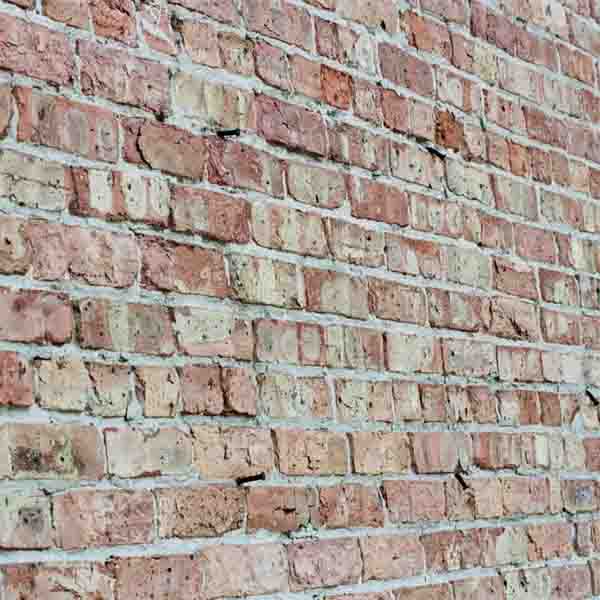
When mortar is cracked, missing, or deteriorated, rain can enter the wall system instead of shedding off the surface.
Cracked or spalling brick
Damaged brick can absorb and hold moisture, especially when the face of the brick has started to flake, chip, or break apart.
Chimneys
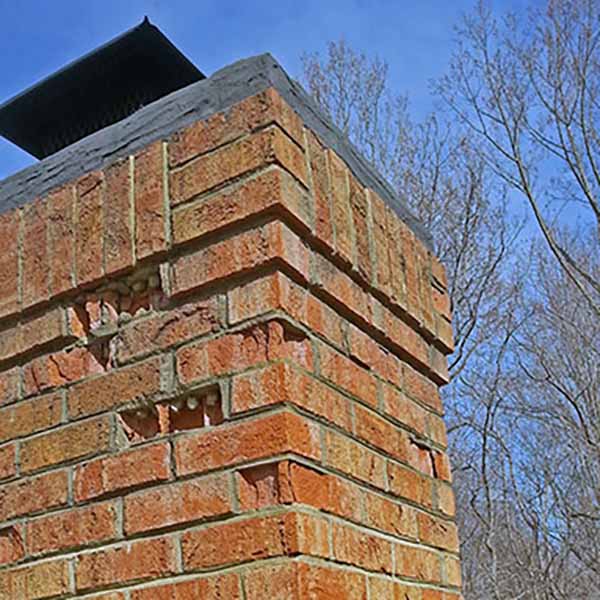
Chimneys take constant exposure from rain, wind, heat, and cold. Failing mortar, cracked crowns, missing caps, damaged brick, or flashing concerns can all contribute to leaks.
Parapet walls
Parapets are highly exposed because they sit above the roofline. Failed mortar, loose coping, cracked caps, and open joints can allow water into the wall.
Lintel areas above windows and doors
Steel lintels can rust and expand over time, which may crack nearby mortar or brick and create openings for water.
Window and door perimeters
Old or failed caulking around openings can separate from the masonry and allow wind-driven rain to enter.
Roofline and flashing transitions
Where brick, roofing, flashing, coping, and trim meet, small failures can create a direct path for water.
Efflorescence or recurring white staining
White staining on brick is often a sign that moisture is moving through the masonry and bringing salts to the surface.
Why Caulk, Paint, or Sealer May Not Fix Masonry Leaks
Surface repairs can be useful in the right situation, but they are not a replacement for masonry repair.
Caulk may help around a window or joint if the surrounding masonry is sound. Waterproofing may help protect brick after the wall has been repaired. A sealer may reduce water absorption when the correct product is used on the right surface.
But none of those should be used to cover failing mortar, cracked brick, a leaking chimney, a deteriorated parapet, or an active water-entry point that has not been corrected.
Sealing over damaged masonry can also create new problems. If moisture is already inside the wall, the wrong coating or sealer may trap it instead of allowing the wall to dry properly. That can lead to recurring leaks, more staining, and continued brick or mortar deterioration.
The right order matters: find the source, repair the masonry, then protect the repaired area when appropriate.
Repair First, Then Waterproof
Masonry waterproofing works best when the building envelope is already in good condition.
Before waterproofing is considered, the masonry should be evaluated for open joints, cracked brick, loose mortar, failed caulking, chimney damage, parapet issues, lintel movement, coping concerns, and roofline transitions. Once those vulnerable areas are addressed, waterproofing or sealing may help reduce future water absorption and protect the completed repair.
Waterproofing is not meant to hold failing masonry together. It is a protective step, not a substitute for tuckpointing, brick repair, chimney repair, parapet repair, lintel repair, or proper caulking.
Signs You Should Call After a Heavy Summer Rain
After a strong storm, check the building before the next round of rain. Small changes can point to a larger masonry issue.
Schedule a masonry evaluation if you notice:
• Water stains on interior walls or ceilings
• Damp brick that stays wet long after the rain stops
• Leaks near windows, fireplaces, rooflines, or ceilings
• Moisture near basement masonry walls
• Recurring white staining or efflorescence
• Cracked, missing, or crumbling mortar
• Brick faces flaking, chipping, or breaking apart
• Rust stains above windows or doors
• Leaks near chimneys or parapet walls
• Caulking that is cracked, missing, or pulling away
A small leak is easier to address before water spreads into larger masonry repairs, interior damage, or repeated moisture problems.
The Real Cost of a Surface Repair
A quick patch may seem less expensive at first, but it can cost more if it leaves the source of the leak untouched.
Painting over an interior stain does not stop water from entering the wall. Adding caulk to one visible opening may not solve a leak that started above the window or along a parapet. Applying waterproofing over deteriorated brick or mortar may hide the issue temporarily while the wall continues to take on moisture.
That is why masonry leaks should be treated as a building problem, not just a cosmetic problem. The goal is not simply to make the stain disappear. The goal is to stop water from getting into the masonry in the first place.
Call Gralak Before Small Masonry Leaks Become a Bigger Repair
If summer storms are causing water stains, damp brick, chimney leaks, parapet leaks, moisture near windows, or recurring efflorescence, your building may need more than a surface repair.
Gralak Tuckpointing & Masonry helps Chicago property owners identify likely masonry water-entry points and repair the damaged areas properly. Our services include tuckpointing, brick repair, chimney masonry repair, parapet wall repair, lintel repair, masonry waterproofing, sealing, and caulking.
Before another heavy storm tests the same weak points, schedule a masonry evaluation with Gralak. Contact Gralak Tuckpointing & Masonry today to schedule service for your Chicago brick building.
FAQs
Why does my brick wall leak only during heavy rain?
Heavy rain and wind-driven rain can push water into small openings that may not leak during lighter rain. Open mortar joints, cracked brick, failed caulking, chimney damage, parapet issues, and roofline transitions are common causes.
Can tuckpointing stop a masonry leak?
Tuckpointing can help stop leaks when open or deteriorated mortar joints are part of the problem. If the leak also involves brick damage, chimney issues, parapet walls, lintels, flashing transitions, or failed caulking, those areas may need to be repaired as well.
Is waterproofing enough to fix a brick leak?
Waterproofing may help protect masonry after repairs are made, but it should not be used as a shortcut over damaged brick, failing mortar, or active leak points. Repair should come first.
Why is there a water stain near my window after a storm?
A stain near a window may come from failed caulking, open mortar joints, a lintel issue, damaged brick, or water traveling from another area above the window. The visible stain is not always the exact source of the leak.
When should I call a masonry contractor after a storm?
Call if you notice interior water stains, damp brick, efflorescence, cracked mortar, spalling brick, chimney leaks, parapet leaks, or recurring moisture near windows, ceilings, fireplaces, or basement walls.