
After a Storm: Check Your Chicago Brick Building for Masonry Damage
Heavy rain and wind can expose masonry problems that were easy to miss during dry weather. Cracked mortar, damaged brick, deteriorated chimneys, and weak areas around windows or rooflines may become more noticeable after a strong Chicago storm.
Once conditions are safe, a quick visual check can help you catch warning signs before the next heavy rain.
Quick Answer: What Should You Check After a Storm?
Walk around the building from ground level and look for:
- New cracks in brick or mortar
- Loose, missing, or crumbling mortar
- Chipped, flaking, or displaced brick
- Dark areas that remain wet longer than the surrounding wall
- Rust stains or cracks above windows and doors
- Changes around chimneys, parapets, coping, and rooflines
- Brick or mortar fragments on the ground
- New water stains or damp areas inside
Take photos of anything unusual and note when and where the moisture appeared. Do not climb onto a wet roof or use a ladder in unsafe conditions.
Check the Brick and Mortar
Start with the walls that received the strongest wind and rain.
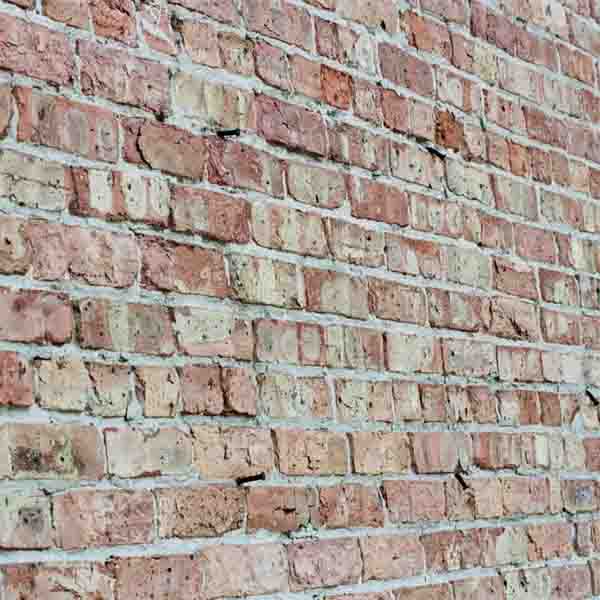
Mortar joints may need attention if they are cracked, recessed, powdery, separated from the brick, or missing. These openings can allow more water into the wall and may indicate that tuckpointing is needed.
Look for brick that is cracked, loose, shifted, chipped, or flaking. Also note areas that remain dark after nearby masonry has dried. Persistent dampness does not identify the source by itself, but it can point to a moisture problem that should be investigated.
Look Above Windows and Doors
The masonry above windows, doors, and garage openings deserves special attention.
Watch for:
- Stair-step or horizontal cracks
- Rust-colored staining
- Open mortar joints
- Uneven or dropping brick
These signs may be related to moisture reaching the steel lintel that supports the masonry above the opening. Covering the area with paint or caulk will not correct an underlying masonry or lintel problem.
Check Chimneys, Parapets, and Rooflines
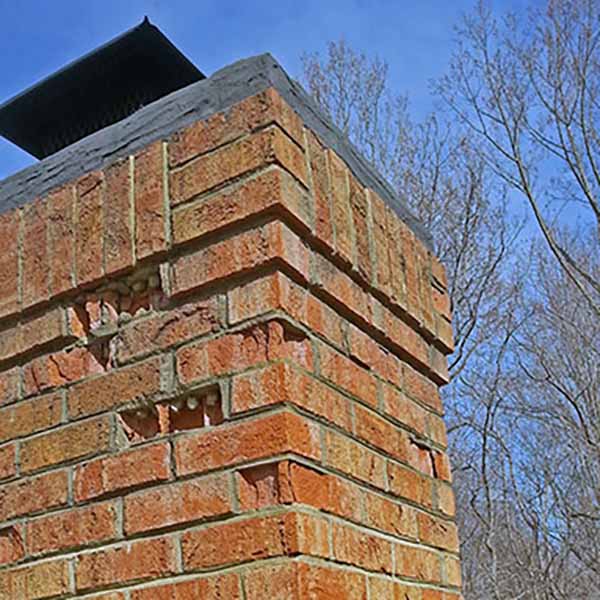
Chimneys and parapet walls are highly exposed to rain and wind. From a safe location, look for loose brick, cracked joints, shifted coping, staining, bulging areas, or debris below.
Some damage may be hidden on the roof-facing side of a parapet or around the chimney flashing. A professional assessment may be needed when these areas cannot be viewed safely from the ground.
Check Inside the Building
Water may travel behind walls or along building materials before it becomes visible, so the interior wet spot may not be directly behind the exterior opening.
After heavy rain, check near exterior walls, windows, chimneys, ceilings, and basement areas for:
- New water stains
- Damp plaster or drywall
- Peeling or bubbling paint
- Moisture around windows
- Musty odors
- White mineral deposits on masonry
Photograph stains while they are visible. That information can help narrow down when and where water is entering.
Warning Signs That Need Prompt Attention
Keep people and vehicles away from the area and contact a masonry professional promptly if you see:
- Loose or falling brick
- A bulging or leaning wall
- An unstable-looking chimney
- Displaced parapet masonry or coping
- Large or rapidly changing cracks
- Masonry debris falling from above
Do not stand beneath loose masonry or attempt repairs from a ladder or roof.
Did the Storm Cause the Problem?
A severe storm can loosen already-weakened materials, but it often exposes deterioration that had been developing over time.
Wind-driven rain may reach small cracks, open mortar joints, damaged flashing, or weak roofline transitions that do not leak during lighter rain. The storm may be when the problem becomes visible, not necessarily when it began.
That is why a surface patch, coating, or bead of caulk may not stop the leak. The correct repair depends on the source and may involve tuckpointing, brick replacement, chimney or parapet repair, lintel work, flashing corrections, or another targeted solution.
When to Call Gralak Tuckpointing & Masonry
Contact Gralak when a storm is followed by:
- A new or recurring masonry leak
- Damaged brick or deteriorated mortar
- Chimney or parapet concerns
- Cracks or rust stains above an opening
- Persistent dampness
- Bulging, leaning, or displaced masonry
- A problem that cannot be safely viewed from the ground
Gralak has served Chicago property owners since 1991, providing tuckpointing, masonry repair, chimney repair, concrete block repair, and masonry waterproofing services.
Have the Problem Checked Before the Next Storm
Not every crack or stain means extensive repairs are needed. It does mean the source should be identified before repeated rain allows the problem to spread.
If your Chicago brick building developed a leak, new crack, damaged brick, or loose mortar after a storm, contact Gralak Tuckpointing & Masonry to schedule an assessment.
Frequently Asked Questions
Can one storm damage a brick building?
A severe storm can worsen weakened masonry or loosen damaged materials. In many cases, however, the storm reveals cracks, open joints, flashing problems, or other deterioration that was already present.
How soon should I check the building?
Check once the storm has passed and conditions are safe. Document interior moisture immediately, then check exterior walls again after they have had time to dry.
Is white residue on brick a sign of damage?
White residue is often efflorescence. It shows that moisture has moved through the masonry, but it does not identify the source or prove that the storm caused the underlying problem.
Does a leaking brick wall always need waterproofing?
No. The correct repair depends on the entry point. The solution may involve tuckpointing, brick replacement, flashing, chimney, parapet, or lintel work rather than a general waterproofing treatment.