
Before Summer Storms: Where Water Gets Into Chicago Masonry
Before summer storms arrive, Chicago property owners should check the most common masonry water-entry points: parapet walls, chimneys, rooflines, window and door openings, steel lintels, cracked mortar joints, failed caulking, and damaged brick. Finding these issues in May can help prevent leaks, staining, basement moisture, and more expensive masonry repairs.
Last month, we covered how Chicago winter can damage brick, mortar, chimneys, and exterior masonry. This month, the next question is more specific:
Where can water get in before summer storms make the problem worse?
May is a good time to look for weak points because winter damage is usually visible, but summer rain and humidity have not fully set in yet. For homeowners, condo associations, property managers, and commercial building owners, a focused masonry inspection can help identify small openings before water moves deeper into the building.
The Most Common Masonry Water-Entry Points
Water does not always enter through one obvious crack. It often finds small openings around rooflines, windows, chimneys, caps, joints, and transitions between materials.
Here are the main areas to check.
- Parapet Walls and Rooflines
Parapet walls are some of the most exposed parts of a Chicago building. They sit above the roofline and take on rain, wind, snow, ice, and sun from multiple directions.
Look for:
- Open mortar joints
- Loose or cracked coping stones
- Bulging or leaning brickwork
- Cracks near the top of the wall
- Stains below the roofline
- Interior water marks near ceilings or upper walls
Because parapet walls are tied closely to roofline drainage and waterproofing, small openings can lead to larger water problems if they are not repaired.
- Chimneys
Chimneys are another common source of water entry because they are fully exposed to weather.
Check for:
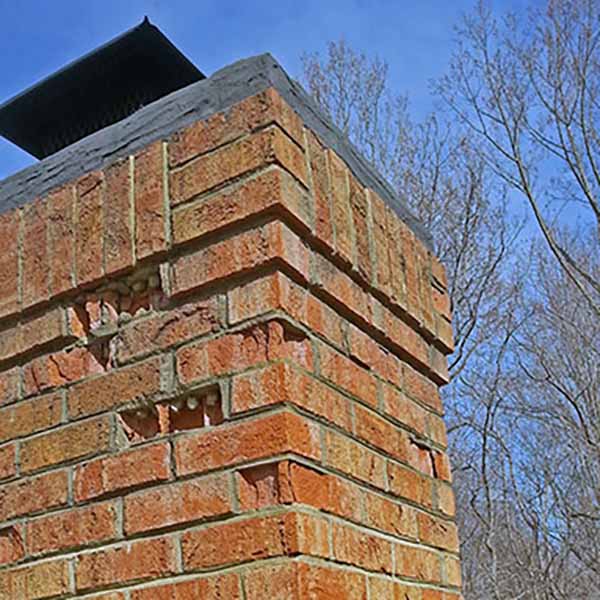
- Cracked chimney mortar
- Loose or missing brick
- Spalling brick faces
- Cracked crowns or caps
- Water staining near the fireplace, attic, or ceiling
May is a smart time to review chimney masonry before fall, when chimney-related repair calls often increase.
- Windows, Doors, and Steel Lintels
Water stains near a window do not always mean the window itself is the problem. The surrounding masonry may be allowing water in.
Watch for:
- Stair-step cracks above windows or doors
- Rust stains near steel lintels
- Cracked mortar at corners
- Failed caulking around frames
- Open gaps beneath sills
- Interior staining after rain
Steel lintels are especially important. As lintels rust, they can expand and push against surrounding brick, causing cracks and movement.
- Failed Caulking and Open Joints
Caulking helps protect areas where masonry meets windows, doors, trim, pipes, vents, and other materials. When it cracks, separates, or pulls away, water can enter behind the wall.
Failed caulking should be repaired, but it should not be used to hide larger masonry problems. If the brick or mortar is cracked, loose, or shifting, that needs to be addressed first.
- Cracked Mortar and Spalling Brick
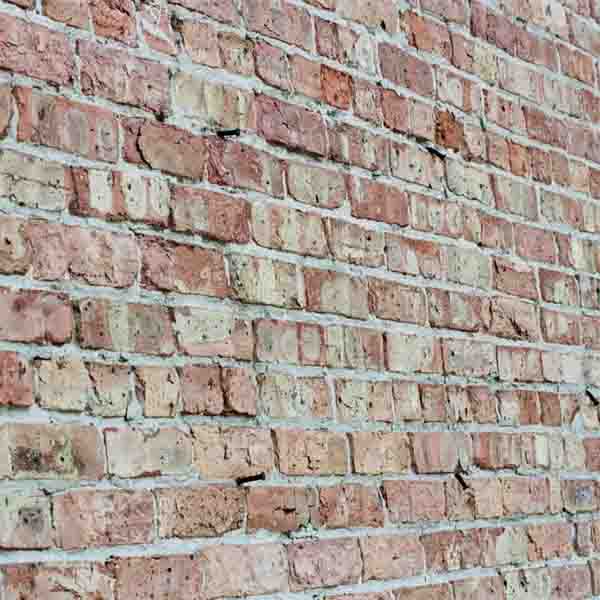
Open mortar joints are one of the easiest ways for rain to enter a masonry wall. Spalling brick is another warning sign because the damaged brick face can absorb more moisture and continue breaking down.
Look for:
- Missing or recessed mortar
- Powdery joints
- Gaps between brick and mortar
- Flaking or broken brick faces
- Loose brick fragments near the wall
- White staining or efflorescence
Tuckpointing, brick replacement, and waterproofing may all be part of the repair plan, depending on the condition of the wall.
Why Waterproofing Should Come After Repairs
Waterproofing can help protect masonry, but it should not be used as a shortcut.
If mortar joints are open, brick is damaged, caulking has failed, lintels are rusting, or parapet walls have open joints, those problems should usually be repaired first. Applying waterproofing over damaged masonry may not solve the water-entry issue.
The better sequence is:
Find the water-entry point.
Repair the damaged masonry.
Correct failed caulking, caps, flashing, or joints.
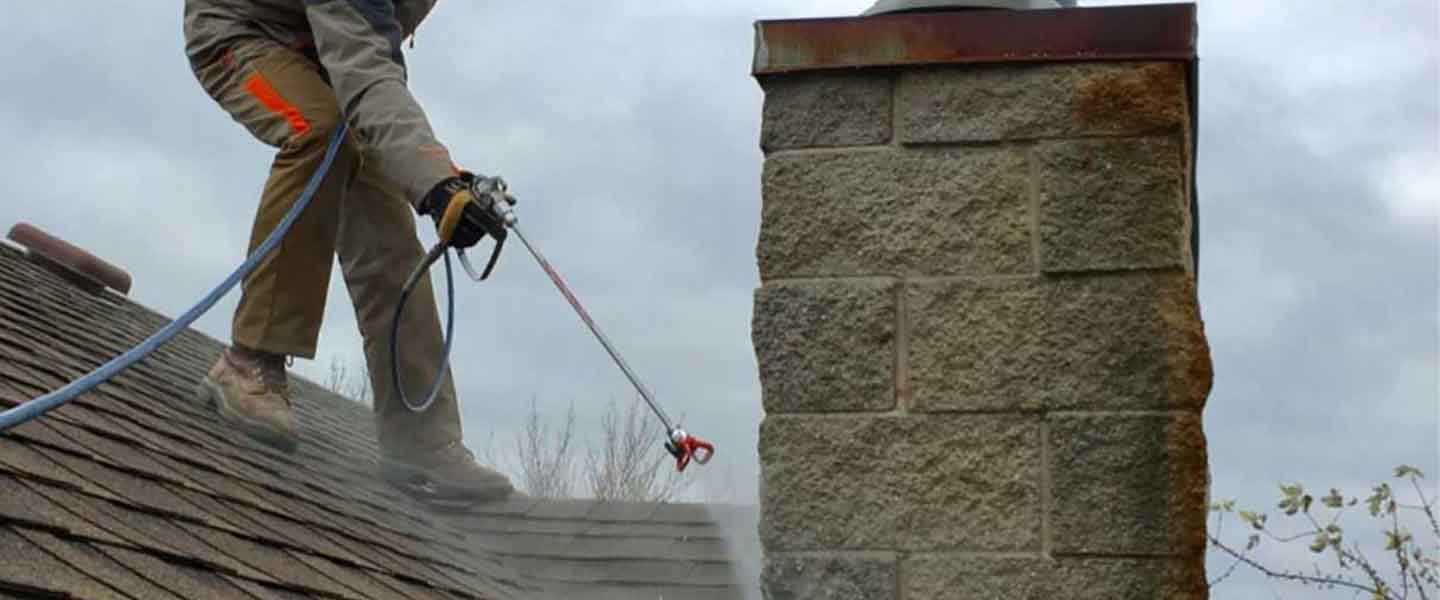
Apply the right masonry water repellent when appropriate.
This helps protect the repair instead of covering over the problem.
What Should Be Fixed First?
If several issues are present, start with the problems most likely to let water in or create safety concerns.
Higher-priority repairs often include:
- Loose or unstable brick
- Parapet wall damage
- Chimney damage near the roofline
- Active leaks or interior staining
- Large open mortar joints
- Rusting lintels with cracking
- Failed coping stones or caps
- Spalling brick that is spreading
A professional masonry inspection can help determine whether the building needs spot tuckpointing, brick replacement, chimney repair, parapet wall repair, lintel-related masonry repair, caulking, waterproofing, or a larger restoration plan.
Why Choose Gralak Tuckpointing and Masonry Waterproofing?
Masonry leaks can be difficult to trace because the visible stain is not always where the water entered. Gralak Tuckpointing and Masonry Waterproofing understands how Chicago brick, mortar, chimneys, parapet walls, lintels, and roofline masonry are affected by seasonal weather.
For homes, apartment buildings, commercial properties, and older masonry structures, the right repair starts with identifying the source of the water entry. From there, Gralak can recommend the appropriate masonry repair, tuckpointing, brick replacement, waterproofing, sealing, or restoration work.
Schedule Masonry Repairs Before Summer Storms
May is the right time to look beyond general winter damage and focus on the specific places where water may be entering your building.
If you see cracked mortar, rust stains, spalling brick, chimney damage, parapet wall deterioration, failed caulking, roofline staining, or interior water marks after rain, schedule a masonry inspection before summer storms make the problem worse.
Contact Gralak Tuckpointing and Masonry Waterproofing to request a free in-person estimate for masonry repair, tuckpointing, brick repair, chimney repair, parapet wall repair, lintel-related masonry repair, or masonry waterproofing in Chicago and nearby suburbs.
FAQs
Where does water usually enter masonry buildings?
Water often enters through open mortar joints, damaged brick, parapet walls, chimney masonry, roofline transitions, window and door openings, failed caulking, rusting lintels, cracked caps, and flashing areas.
Can water enter around windows even if the window is not broken?
Yes. Water can enter through the masonry around the window, failed caulking, cracked mortar, rusting lintels, damaged sills, or flashing issues. The window itself is not always the source.
Should masonry be waterproofed before or after repairs?
Masonry should usually be repaired before waterproofing. Open joints, damaged brick, failed caulking, chimney issues, lintel problems, or parapet wall damage should be corrected first.
What does rust staining near a window mean?
Rust staining near a window may mean a steel lintel is rusting. As steel corrodes, it can expand and push against surrounding brick, causing cracks or movement.
Is efflorescence a serious masonry problem?
Efflorescence is not always serious by itself, but it shows that moisture is moving through masonry. If the staining keeps returning, the source of the moisture should be inspected.