
Spring Brick Repair & Waterproofing in Chicago: What Winter Really Did to Your Masonry
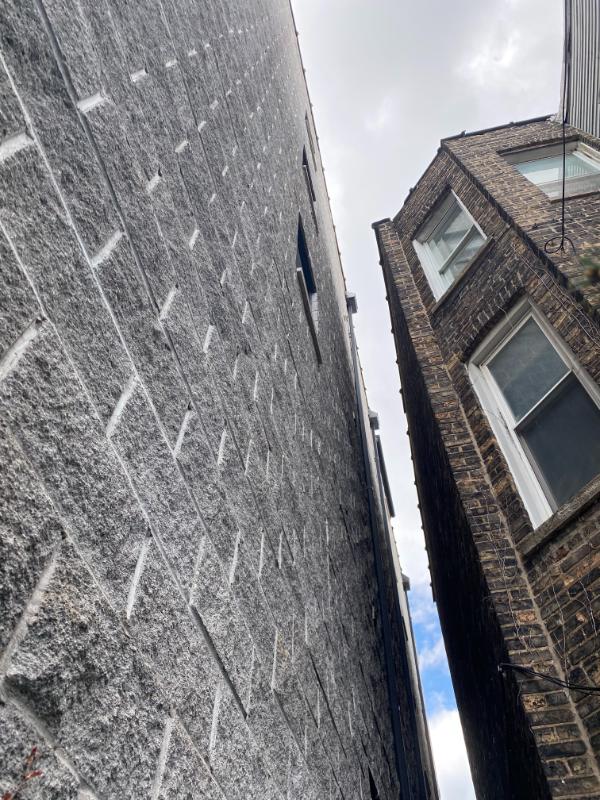
If you own a home or building in Chicago, winter doesn’t just pass—it quietly damages your brickwork.
Between freezing temperatures, snow, and constant moisture, masonry—especially on older homes—develops hidden issues that often show up in early spring.
By the time you notice them, the damage has already started.
Do You Need Masonry Repair After Winter in Chicago?
Yes. Chicago winters create repeated freeze-thaw cycles that weaken mortar joints and brick surfaces. Spring is the best time to inspect and repair masonry before rain and humidity cause deeper structural damage.
Why Spring Is the Best Time for Masonry Repairs in Chicago
Chicago’s climate is one of the toughest in the country for masonry.
During winter, water enters small cracks in mortar and brick. When temperatures drop, that water freezes and expands. When it warms up, it contracts.
This cycle can happen dozens of times between December and March.
What we see across Chicago every spring:
- Mortar joints cracking or falling out
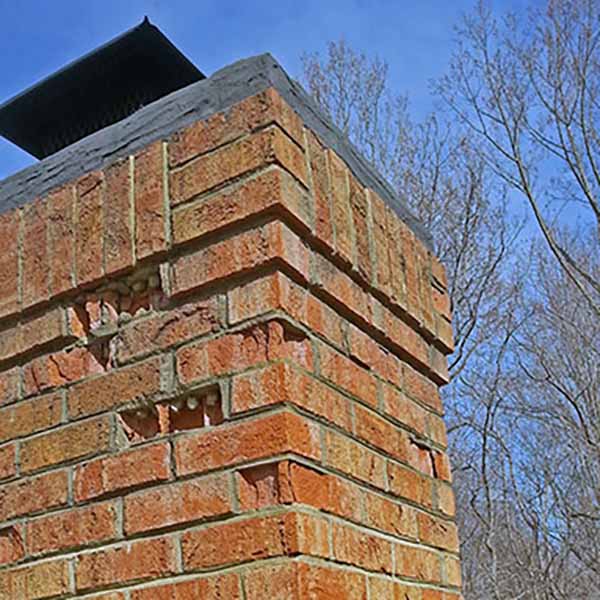
- Brick faces flaking (spalling), especially on bungalows
- Chimney deterioration and leaning
- Moisture entering behind exterior walls
- Basement dampness and interior staining
Most Chicago homes we inspect in March through May show at least one of these issues.
Chicago Homes Are More Vulnerable Than You Think
Not all masonry is the same—and Chicago homes have unique challenges.
Many properties—especially classic Chicago bungalows and older brick buildings—were built with lime-based mortar, which is softer and designed to wear over time.
That’s normal—but it requires maintenance.
Local factors that accelerate damage:
- Older, more porous brick materials
- Lime-based mortar that naturally deteriorates
- Sudden temperature swings (often 30–40° shifts)
- Long winters with constant moisture exposure
👉 Learn more about how mortar deterioration works:
→ [Tuckpointing Services in Chicago]
What to Look for After Winter (Before It Gets Worse)
Spring is when masonry problems become visible—but also when they’re easiest to fix.
Warning signs you shouldn’t ignore:
- Cracked, recessed, or missing mortar joints
- Brick surfaces peeling or flaking
- White residue (efflorescence)
- Water stains inside walls or ceilings
- Loose debris near your foundation
- Chimney cracks or leaning
If you’re seeing any of these, water has already started working its way in.
👉 Not sure if it’s serious?
→ [Schedule a Masonry Inspection]
Essential Spring Masonry Services in Chicago
Tuckpointing (Mortar Repair)
Chicago homes typically need tuckpointing every 20–30 years—but harsh winters often shorten that timeline.
Why it matters:
- Seals out water before it spreads
- Restores structural integrity
- Prevents large-scale wall repairs
👉 → [Learn More About Tuckpointing]
Brick Replacement & Spalling Repair
Spalling is one of the most common masonry issues in Chicago—and one of the most overlooked.
Once brick faces start breaking down, the damage spreads quickly.
Fixing it early:
- Stops further deterioration
- Maintains strength and appearance
- Prevents deeper structural issues
👉 → [Brick Repair & Replacement Services]
Chimney Repair & Restoration
Chimneys are fully exposed to winter conditions, making them one of the first areas to fail.
By spring, we often see:
- Crown cracks
- Loose or missing bricks
- Failing mortar joints
- Water entry points
👉 → [Chimney Repair Services]
Why Waterproofing Is Critical in Chicago (Not Optional)
Here’s where many homeowners make a costly mistake:
They repair the brick—but skip waterproofing.
In Chicago, that almost guarantees the damage will return.
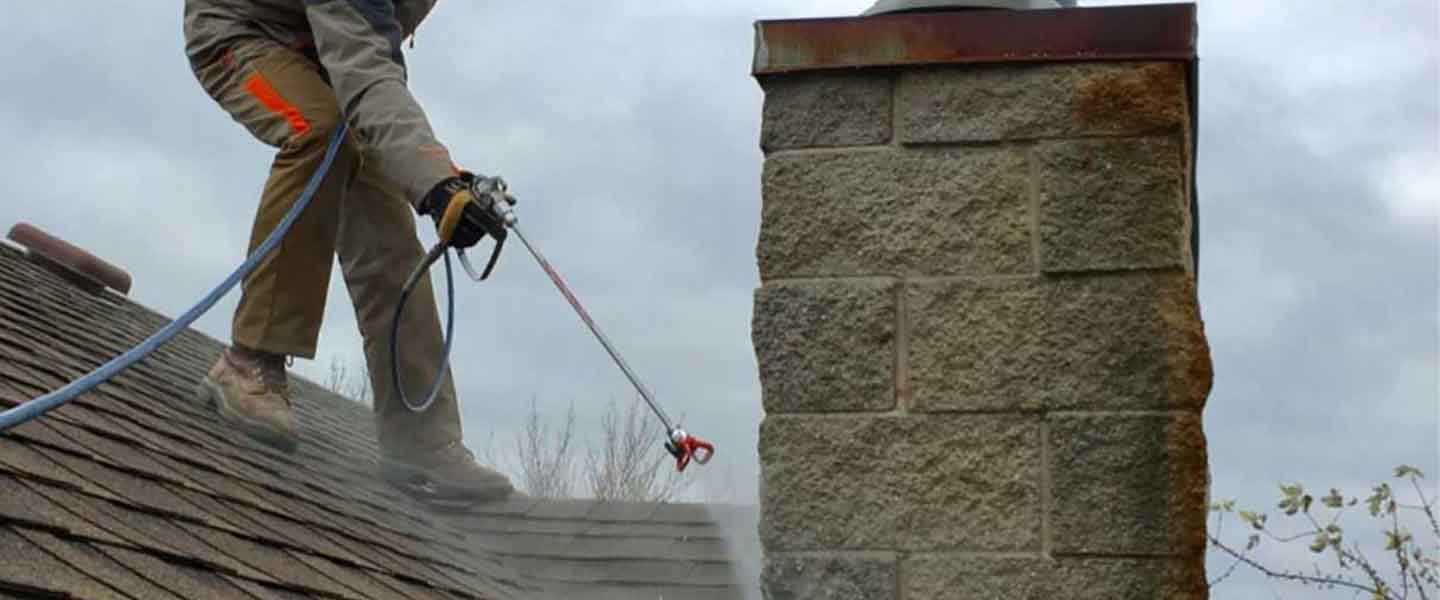
Professional masonry waterproofing:
- Repels water while allowing brick to breathe
- Reduces freeze-thaw damage
- Extends the life of repairs
- Helps prevent mold and interior moisture
👉 → [Masonry Waterproofing Services]
Real-World Insight: What We See Every Spring
Across Chicago, the same pattern repeats year after year:
- Minor cracks form in fall
- Water enters during winter
- Freeze-thaw expands the damage
- Spring reveals visible deterioration
By the time many homeowners call, what could have been a small repair has grown into a much larger project.
The earlier you act in spring, the more you save.
How Spring Repairs Save You Thousands
Delaying masonry repairs in Chicago doesn’t just pause the problem—it accelerates it.
Early repairs help you avoid:
- Full wall reconstruction
- Interior drywall and insulation damage
- Mold remediation
- Structural weakening
In many cases, a focused tuckpointing project in spring prevents major structural repairs later.
People Also Ask
How often should tuckpointing be done in Chicago?
Typically, every 20–30 years, but exposure and harsh winters can shorten that timeframe.
Can masonry work be done in early spring in Chicago?
Yes. Once temperatures stay above freezing, spring is one of the best times to start.
Is waterproofing really necessary in Chicago?
Yes. Without it, freeze-thaw cycles will continue to break down masonry.
What happens if I wait until summer or fall?
Spring rains can worsen damage quickly, allowing water to penetrate deeper into the structure.
Pro Tip: Combine Repairs + Waterproofing for Long-Term Protection
The most effective approach is simple:
Repair first → then waterproof
This ensures:
- Proper sealing
- Longer-lasting results
- Reduced long-term maintenance
Schedule Your Spring Masonry Inspection in Chicago
If your brick hasn’t been inspected recently, now is the time.
Spring is the busiest season for masonry work in Chicago, and waiting can lead to longer timelines and higher costs.
Get Ahead of the Damage
Protect your home, preserve your masonry, and avoid costly repairs.
Call today or request a quote to schedule your spring inspection before peak season fills up.