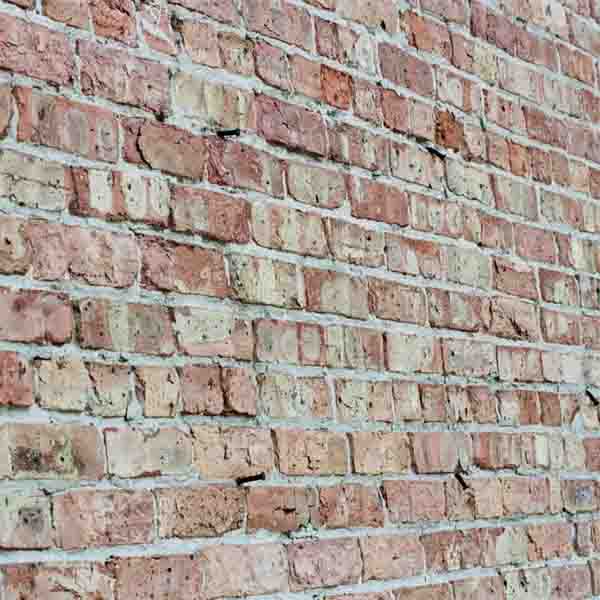
Fall Masonry Checklist for Chicago Brick Buildings
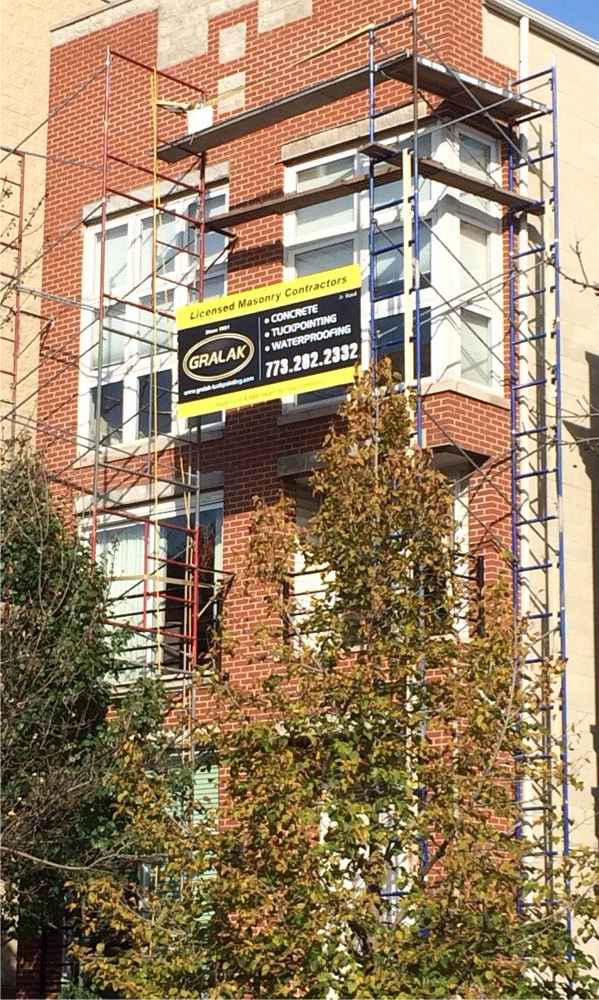
Chicago winter can make existing masonry problems worse. Fall masonry maintenance is a good opportunity to check your brick, mortar, chimney, parapet walls, and lintels before freezing temperatures limit repair options.
Quick Answer: What Should You Check Before Winter?
Look for:
- Cracked, loose, or missing mortar
- Cracked, flaking, or loose brick
- Chimney or parapet wall deterioration
- Rust stains or cracks above windows and doors
- Open joints around masonry openings
- Areas that remain damp after the rest of the wall dries
- White, powdery deposits on brick
Not every crack or stain requires major repairs. The most important issues are those allowing water into the masonry or causing brick and mortar to loosen or move.
Why Fall Masonry Maintenance Matters
Brick and mortar can absorb moisture. When water enters cracks or deteriorated joints and freezes, repeated freeze-thaw cycles can widen openings, loosen mortar, and damage brick faces.
Fall also usually provides better working conditions for tuckpointing and masonry repairs. Once temperatures drop, additional cold-weather protection may be needed for materials to cure properly.
Fall Masonry Checklist
Check the Mortar Joints
Look for mortar that is cracked, recessed, loose, or missing. These openings can allow more water into the wall.
Tuckpointing removes deteriorated mortar and replaces it with new mortar. On older Chicago buildings, the replacement mortar should be compatible with the existing brick and masonry.
Look for Damaged Brick
Watch for cracked, loose, flaking, or displaced brick. Stair-step cracking, bulging walls, or cracks extending through several bricks deserve closer attention.
Severely damaged brick may need to be replaced rather than covered with caulk or a surface patch.
Examine Chimneys and Parapet Walls
Chimneys and parapet walls receive heavy exposure to rain, snow, wind, and temperature changes.
Check for loose brick, missing mortar, damaged coping, cracked chimney crowns, and open flashing joints. Water entering near the top of a building can travel downward before becoming visible inside.
Watch for Lintel Problems
Steel lintels support brick above many windows and doors. When steel rusts and expands, it can crack or move the surrounding masonry.
Warning signs include:
- Horizontal cracks above an opening
- Cracks near window or door corners
- Rust staining
- Lifted or displaced brick
Filling the visible crack will not correct a deteriorated lintel.
Check for Moisture
Brick often darkens when wet. A section that remains damp much longer than nearby areas may indicate ongoing water entry.
White, powdery deposits called efflorescence form when moisture moves through masonry and leaves salts on the surface. Efflorescence is not usually harmful by itself, but recurring deposits may signal a moisture problem.
Does Your Brick Need Waterproofing?
Not every damp wall needs a coating. Cracked brick, damaged mortar, flashing problems, and open joints should be repaired before a water-repellent treatment is considered.
Depending on the condition of the building, fall masonry work may include:
- Tuckpointing
- Brick replacement
- Chimney or parapet repair
- Lintel repair or replacement
- Flashing or coping repairs
- Masonry waterproofing
The repair should address where the water is entering, not only where a stain appears.
Schedule Masonry Repairs Before Winter
Small surface imperfections do not always require repair. Loose mortar, damaged brick, wall movement, lintel corrosion, and recurring moisture should not be ignored before another Chicago winter.
Gralak Tuckpointing & Masonry has served Chicago property owners since 1991. Contact Gralak to schedule an estimate for tuckpointing, brick repair, chimney work, parapet wall repair, lintel replacement, or masonry waterproofing.
Frequently Asked Questions
Is fall a good time for tuckpointing in Chicago?
Yes. Fall can provide suitable temperatures and weather conditions for tuckpointing, especially earlier in the season.
Does every brick crack need repair?
No. The size, direction, location, and age of the crack all matter. New or widening cracks, stair-step cracks, and displaced brick should be examined more closely.
Why does part of my brick wall stay wet after rain?
The area may be absorbing more water or receiving moisture from a crack, failed joint, flashing problem, coping, or chimney component above it.
Should brick be sealed before winter?
Not automatically. Damaged brick, mortar, flashing, and joints should be repaired first. A water-repellent treatment should only be used when it is appropriate for the masonry.