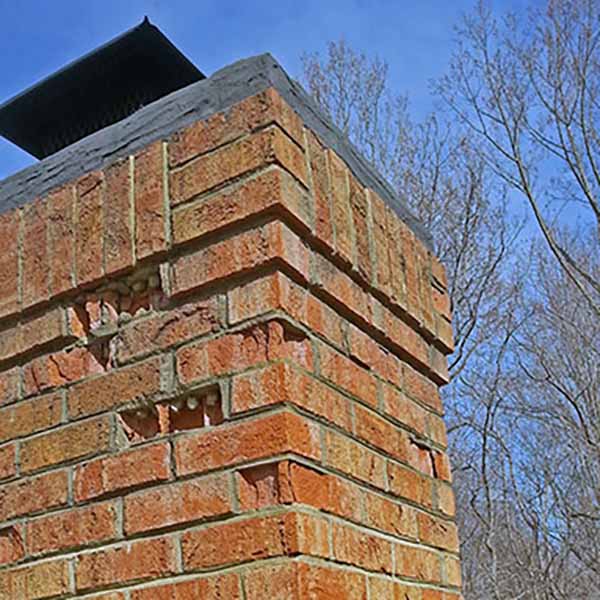

Why Brick Stays Wet After Rain: What Chicago Property Owners Should Know
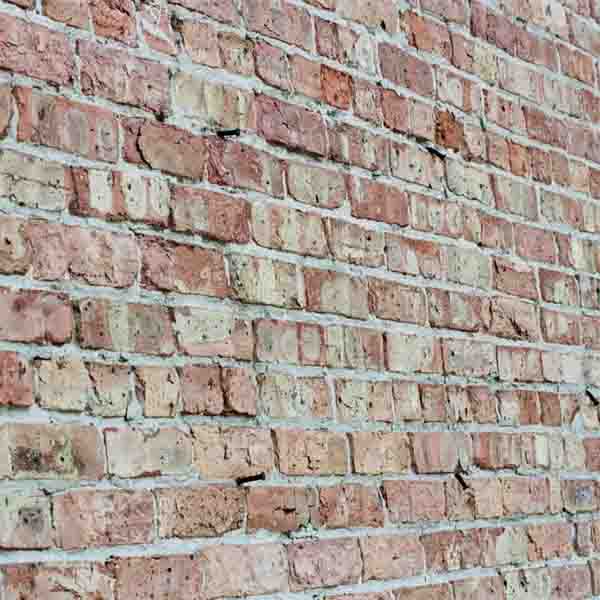
Brick naturally absorbs some rainwater, so it often looks darker during and shortly after a storm. That does not automatically mean the wall is damaged.
The concern is how the masonry dries. If the same area repeatedly stays dark, develops white stains, or remains damp after the surrounding brick has dried, excess moisture may be entering or collecting within the wall.
Quick Answer: Why Does Brick Stay Wet After Rain?
Brick may dry slowly because of shade, humidity, limited airflow, recent heavy rain, or the natural absorbency of the masonry.
Persistent wet areas may also be caused by:
- Cracked or deteriorated mortar joints
- Damaged or spalling brick
- Failed sealant around windows and doors
- Problems with flashing, coping, chimney caps, or parapet walls
- Gutters or downspouts directing water onto the masonry
- Moisture trapped within the wall
There is no universal drying time for brick. A more useful warning sign is one area that repeatedly stays wet after nearby masonry has dried.
When Wet Brick Is Normal—and When It Is Not
A shaded wall will usually dry more slowly than one exposed to sun and wind. Temperature, humidity, wall construction, and brick type also affect drying.
It may be time to look closer when damp brick is accompanied by:
- Recurring white residue
- Cracked, recessed, or missing mortar
- Flaking or broken brick faces
- Rust-colored stains
- Peeling interior paint
- Damp walls or ceilings inside the building
The location of the wet area can also provide clues. Dampness below a window may point to failed sealant or flashing. Moisture near a chimney or parapet may be related to damaged caps, coping, flashing, or mortar joints.
What White Stains on Brick Can Mean
White, powdery residue on brick or mortar is often efflorescence.
Efflorescence forms when water moves through masonry, dissolves salts, and carries them to the surface. When the water evaporates, the salts remain behind.
A small amount is usually not harmful by itself. However, efflorescence that keeps returning can indicate continued moisture movement.
Cleaning the residue may improve the appearance, but it does not fix the source of the water.
How Deteriorated Mortar Lets Water In
Mortar joints help protect the edges of the brick and limit rain penetration. Over time, mortar can crack, erode, separate from the brick, or fall out.
Open joints allow wind-driven rain to enter the wall. That moisture may later appear as dark brick, white staining, damaged masonry, or an interior water mark.
Tuckpointing replaces deteriorated mortar with new mortar appropriate for the existing masonry. Proper mortar selection is especially important on older Chicago brick buildings because mortar that is too hard can contribute to brick damage.
Why Repairs Should Come Before Waterproofing
Masonry waterproofing should not be used to cover damaged brick or mortar.
A water-repellent treatment cannot replace missing mortar, repair failed flashing, or correct damaged brick. The wrong coating may also interfere with the wall’s ability to release moisture.
The proper approach is to:
- Identify where excess water is coming from.
- Repair damaged mortar, brick, flashing, caps, coping, or sealant.
- Make sure the wall can dry properly.
- Determine whether a breathable masonry water repellent would provide additional protection.
Not every brick wall needs to be sealed. In many cases, correcting the failed masonry or drainage detail solves the problem.
When to Schedule Masonry Service
Consider having the wall checked when:
- One area repeatedly stays darker than the rest
- Efflorescence keeps returning
- Mortar joints are cracked, loose, recessed, or missing
- Brick faces are flaking or breaking apart
- Interior stains appear after rain
- Previous patching or sealing did not solve the problem
Addressing the source early can help prevent additional mortar loss, brick deterioration, and interior moisture damage.
Get Help With Damp Brick and Masonry Moisture Problems
Gralak Tuckpointing & Masonry has served Chicago-area property owners since 1991.
If part of your brick wall stays wet, develops recurring white stains, or shows deteriorated mortar, contact Gralak to schedule an in-person estimate. We provide tuckpointing, brick repair, flashing work, chimney masonry repair, and masonry waterproofing based on the condition of the building.
Contact Gralak Tuckpointing & Masonry to request your estimate.
People Often Ask
How long should brick stay wet after rain?
There is no set drying time. Shade, humidity, airflow, temperature, brick type, and the amount of rain all affect how quickly a wall dries. One area that repeatedly stays darker than the surrounding masonry is more concerning than the exact number of hours it remains wet.
Does dark brick after rain mean the wall is leaking?
Not necessarily. Brick normally darkens when wet. A problem is more likely when the same area stays dark, white residue keeps returning, mortar is deteriorated, or moisture appears inside the building.
Is efflorescence harmful to brick?
Efflorescence is usually not harmful by itself. It does show that water and salts have moved through the masonry. Recurring deposits may indicate an ongoing moisture source.
Will tuckpointing fix a damp brick wall?
Tuckpointing can help when water is entering through deteriorated mortar joints. It will not correct problems caused by failed flashing, damaged coping, leaking gutters, poor drainage, or another moisture source.